

Female Sexual Health — Viagra for Women: What It Is, How It Works and Who It's For
Medically reviewed by Dr. Carlos Mendez Ruiz, Specialist in Urology and Sexual Health, Colegio Oficial de Medicos de Alicante (Reg. No.: 03-45678) — Updated January 2026
Female sexual dysfunction (FSD) affects approximately 45% of women at some point in their lives. Yet it remains a topic that is rarely discussed and for which many women cannot find clear medical information. This section covers what you need to know about the pharmacological options for female sexual health available in our store — without exaggerated promises and with evidence-based information.
Female Sexual Dysfunction — A Common Problem That Is Rarely Named
Prevalence in Spain
45%
of women experience some type of sexual dysfunction
Desire disorder
Persistent absence or reduction of sexual interest, with associated distress
Common causes
Stress, depression, hormonal contraceptives, relationship conflicts, menopause
Arousal disorder
Desire exists but physical response (lubrication, sensitivity) is insufficient
Best response to Lovegra
Menopause, diabetes, gynaecological surgery, vascular problems
Orgasmic disorder
Despite sufficient stimulation, orgasm is not reached or significantly delayed
Moderate response to Lovegra
SSRIs (antidepressants), sexual trauma, neurological injury
Sexual pain
Dyspareunia or vaginismus — pain during or after intercourse
Requires different treatment
Vaginal dryness, endometriosis, vaginismus, vulvovaginal atrophy
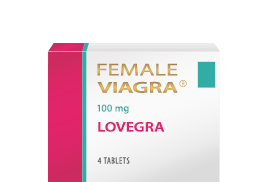

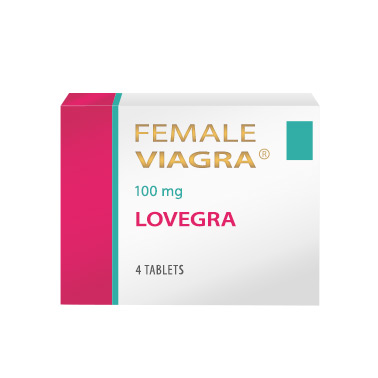
How Sildenafil Works in Women — What No Website Explains Clearly
Most important: Lovegra facilitates the physical response when sexual motivation already exists. It does not create desire where there is none — just as male Viagra does not produce an erection without stimulation. The combination of the right context + stimulation + medication produces the best results.
Lovegra in Menopause — The Profile Where Evidence Is Clearest
▼
Vaginal lubrication
Oestrogen drop reduces lubricating glands. Lovegra increases local blood flow and may improve lubrication.
▼
Clitoral sensitivity
Reduced vascularisation decreases sensitivity. Sildenafil may partially restore it by improving blood flow.
▼
Genital congestion
Vascular response during arousal diminishes. Lovegra acts directly on this mechanism.
+
With hormone therapy
Combination of topical oestradiol + Lovegra acts through complementary mechanisms — mutual enhancement.
Our Product for Female Sexual Health
Questions Many Women Have but Few Find Answered
How long does Lovegra take to work and what should I do to get the best results? Onset is 30–45 minutes. To maximise effect: take it on an empty stomach or with a light meal (fatty meals delay absorption up to 60 minutes), avoid more than 1–2 drinks of alcohol, and ensure the context — intimacy, communication with your partner, adequate stimulation — is present. The medication amplifies the physical response, it does not create it from scratch.
Does Lovegra increase libido (desire) or just improve the physical response? It primarily improves the physical response — lubrication, sensitivity, genital congestion. Desire itself (libido) depends largely on neurological, hormonal and emotional factors that sildenafil does not directly affect. However, many women report that as the physical experience improves, desire also improves secondarily — a virtuous cycle.
Can I take Lovegra if I am on hormonal contraceptives? Generally yes, no known interaction. However, combined hormonal contraceptives can themselves reduce libido and vaginal lubrication by lowering free testosterone levels. If you notice your problems began after starting a contraceptive, discuss alternatives with your gynaecologist.
Is there a lower dose to start with? Yes — you can split the 100mg tablet in half to start with 50mg. This allows you to assess tolerance (possible headaches, facial flushing) before moving to the full dose.
Delivery Across Spain
We ship in 4–7 days to all provinces in discreet neutral packaging: Barcelona — Madrid — Valencia — Alicante — Seville — Malaga — Zaragoza — Bilbao — Vigo — A Coruna — Murcia — Palma de Mallorca — Las Palmas — Santa Cruz de Tenerife — Valladolid — Cordoba — Granada — Oviedo — Pamplona — Santander — Vitoria — Elche — Badalona — Cartagena — Jerez de la Frontera — Sabadell — Mostoles — Alcala de Henares — and all other localities in Spain.
The information is for educational purposes only and does not replace medical advice. Female sexual dysfunction is a complex and multifactorial health problem. Consult your gynaecologist or sexual health specialist for a comprehensive approach suited to your personal situation.




- Barcelona
- Madrid
- Valence
- Seville
- Saragosse
- Malaga
- Murcie
- Palmier
- The Gran Canarian palms
- Bilbao
- Alicante
- Cordova
- Valladolid
- Vigo
- Gijón
- L’Hospitalet de Llobregat
- La Coruña
- Pomegranate
- Vitoria
- Elche
- Oviedo
- Santa Cruz of Tenerife
- Badalona
- Cartagena
- Tarrasa
- Jerez de la Frontera
- Sabadell
- Mostoles
- Alcala de Henares